Why a Pie Shop Is the Sweetest Stop in Town
@keeganynge147
October 23, 2026 · 17 min read
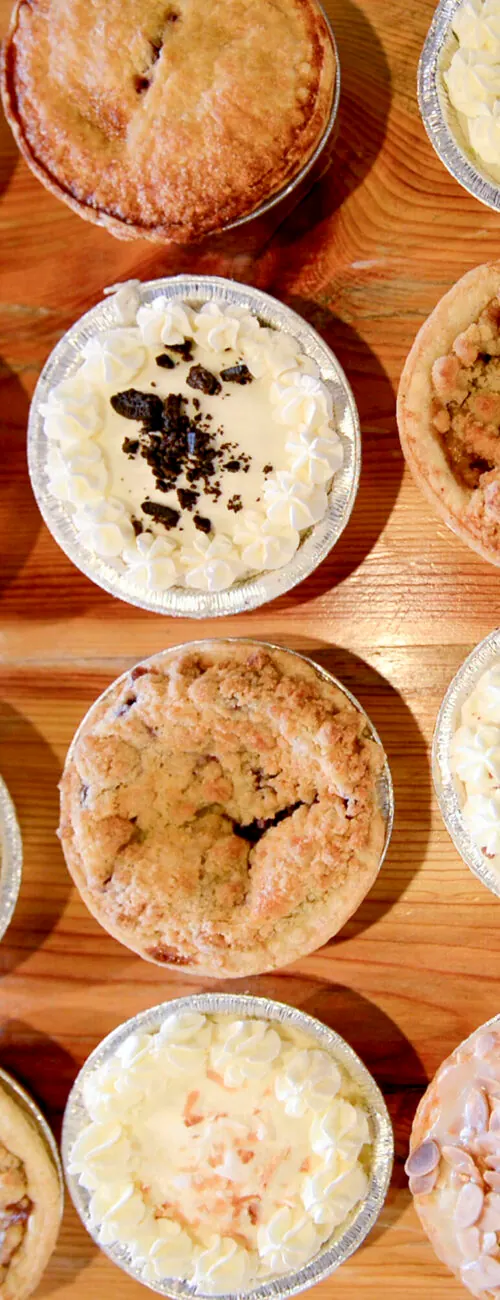

A good pie shop does more than sell dessert. It changes the pace of a street. You can feel it before you reach the door, usually somewhere between the smell of butter in a hot oven and the sight of a display case catching afternoon light. People slow down. They point. They start negotiating with themselves. One slice now, one whole pie for later. Maybe a savory hand pie for lunch, then something with fruit to take home.
That kind of pull is not accidental. It comes from a very specific mix of craftsmanship, comfort, and neighborhood presence that few businesses manage to match. Coffee shops come close. Bakeries have range. Ice cream shops win in July. But a pie shop occupies a category all its own. It speaks to appetite and memory at the same time. It can feed a family, rescue a dinner invitation, anchor a holiday, or turn an ordinary Tuesday into an event worth lingering over.
If you have ever walked into a real pie shop, one where the crust is made on site and the fillings reflect the season rather than a warehouse schedule, you already know the difference. This is not just about sugar. It is about attention to detail, balance, timing, and the kind of hospitality that feels generous rather than polished. That is why, in many towns, the pie shop becomes a local institution faster than almost any other food business.
The appeal starts with what pie does better than almost any dessert
Pie has range. That sounds simple, but it matters. Cakes tend to specialize in celebration. Cookies are casual. Pastries often belong to breakfast or a coffee break. Pie crosses those boundaries without effort. It can be formal enough for a wedding brunch and relaxed enough for a paper plate on a back porch. It works warm, room temperature, or chilled. It can be fruit-forward, deeply spiced, nutty, creamy, chocolate-heavy, custardy, or savory.
That versatility gives a pie shop an advantage from the start. One customer comes in wanting a slice of apple with a strong black coffee. Another needs a tomato pie or chicken pot pie to solve dinner. Someone else wants a lemon meringue for a birthday because the guest of honor never cared for cake. All three can walk out happy.
There is also the matter of proportion. Pie is one of the few foods that feels both abundant and controlled. A whole pie looks generous on a counter. A slice feels complete without becoming excessive. That balance is part of the charm. In a retail setting, it gives customers options that fit real life. A college student can afford one slice. A family can pick up dessert for six. A host can order multiple pies and look more thoughtful than extravagant.
Professionally, pie is also a product that rewards skill in ways customers can taste immediately. You do not need a lecture on technique to recognize a shattering crust, fruit that holds shape without turning gluey, or a custard filling set just enough to slice cleanly. The quality announces itself. That makes a pie shop one of the most honest businesses in food. If the product is good, people know. If it is not, no branding strategy can hide it for long.
The smell alone earns the visit
Plenty of food businesses talk about atmosphere, but a pie shop has a built-in advantage that money cannot fake. Butter, baked fruit, toasted sugar, cinnamon, roasted nuts, and warm flour create an aroma with unusual reach. It escapes through the door every time someone enters. It hangs in a coat. It follows you to the car. It can alter a person's plans in under ten seconds.
That sensory power matters more than people sometimes admit. Retail food is emotional commerce. Customers are not only buying flavor. They are buying reassurance, nostalgia, anticipation, and sometimes relief. The smell of a pie shop signals care. It says that things are being made, not merely assembled. In an era when many commercial spaces feel optimized into blandness, that signal is powerful.
I have seen people enter a pie shop intending to browse and then order with a decisiveness that surprises even them. The display case matters, of course, but smell often closes the sale. A peach pie in August or a pecan pie in late November does not need a speech. The air has already made the argument.
A pie shop feels local in a way chain concepts rarely can
Even when two pie shops use similar techniques, they tend to reflect the town around them. In one region, that might mean sour cherry, Dutch apple, and maple walnut. Somewhere else, key lime, peanut butter cream, or bourbon pecan might lead the case. Savory options can be just as rooted in place. A pie shop near farmland may lean into chicken pot pie, ham and leek, or vegetable galettes built around what is coming out of the ground that week.
That local character gives the business cultural weight. The pie shop does not just feed people. It quietly documents a community's taste. It knows which fruits matter, which holidays produce standing orders, which school fundraiser triggers a rush, and which weather patterns change what customers want. A rainy day can lift demand for rich, warm slices. A brutal heat wave pushes chilled cream pies and key lime. The shop becomes part bakery, part barometer.
Customers respond to that embeddedness. They come to trust businesses that seem to belong where they are. A pie shop often earns that trust faster than trend-driven concepts because the product itself feels grounded. Pie does not need reinvention to stay relevant. If anything, too much novelty can work against it. People want some surprises, yes, but they also want the staples done right. Apple should taste like apple. The crust should be flaky, not merely decorative. Pumpkin pie should show restraint with spice rather than bludgeoning the palate.
That tension between tradition and freshness is where the best pie shops shine. They respect expectations without becoming stale. Maybe the classics stay year-round while a few seasonal pies rotate through. Maybe the shop offers a chocolate chess pie beside a brown butter grapefruit chess pie. The structure remains familiar enough to reassure, while the details invite curiosity.
Craft is visible in every slice
There are foods where technique hides behind sauce or garnish. Pie is not one of them. A pie shop lives or dies on execution. Customers can see whether the crimping is careful, whether the lattice is tight, whether the bottom crust baked through, whether the filling gelled naturally or slid around from poor balance. They can taste whether the fat was handled gently, whether the fruit was respected, whether the sweetness was measured with discipline.
That transparency is part of why people become fiercely loyal to a favorite pie shop. Once they find a place that gets the fundamentals right, they do not want substitutes.
A few details separate average pie from memorable pie:
- The crust has structure and tenderness at the same time. It should hold a slice, but break cleanly under a fork.
- The filling tastes like its main ingredient, not just sugar and thickener.
- The seasoning supports rather than dominates. Cinnamon, nutmeg, citrus zest, vanilla, salt, and even black pepper should sharpen flavor, not bury it.
- The bake is complete. Soggy bottoms, scorched edges, and under-set custards undermine trust quickly.
- The slice looks appealing without looking engineered. Pie should feel handmade, not sterile.
Those points sound obvious, but they are difficult to deliver every day at volume. That is what makes a serious pie shop impressive. Consistency in pie production is hard work. Weather affects dough. Different fruits shed moisture differently. Cream fillings react to temperature. Meringue can weep. Custards can overbake in minutes. A shop that handles these variables well is practicing genuine craft, not just selling comfort food.
Pie invites conversation in a way other treats often do not
A pie shop is one of the rare retail spaces where customers naturally tell stories. The product almost demands it. Someone sees rhubarb and talks about a grandmother's garden. Someone orders coconut cream and remembers a roadside diner from childhood. Someone asks whether the bakery ever makes mincemeat because that was the one pie on the table every Christmas Eve. Even customers who claim not to like sweets often have one pie they will make an exception for.
From a business standpoint, that matters. Story-rich products create repeat visits because the exchange is not purely transactional. Staff members become guides, not just cashiers. They recommend combinations, explain seasonal changes, and remember regulars who always come for blackberry pie before Sunday supper. Over time, the shop becomes woven into family rituals and neighborhood habits.
There is a practical reason pie sparks this kind of warmth. It is shareable. Most desserts can be shared, but pie is designed for it. Whole pies are carried into homes, office break rooms, church halls, and backyard tables. Even a single slice often turns into, "Try a bite of this." That social quality amplifies loyalty. The product is seen by more people than the person who bought it, and one excellent pie can create three future customers without any formal marketing.
Sweet is only part of the story
Many people hear "pie shop" and think only of dessert, but the best shops know better. Savory pies often turn a charming bakery into a genuinely useful stop. This is where the business earns weekday traffic, not just holiday demand. A well-made hand pie can solve lunch in five minutes. A chicken pot pie can solve dinner for a household that has no energy left after work. A mushroom and gruyere slice can satisfy someone who wants something substantial but not heavy.
This matters because usefulness deepens loyalty. Customers may visit a dessert shop occasionally, but they return to a pie shop that fits real routines. The broader the menu's practical value, the stronger the relationship. Not bloated value, not a menu trying to be all things, but purposeful variety.
There is a trade-off here, and experienced operators know it. Savory production increases complexity. Cross-utilization helps, but fillings, food safety, reheating guidance, and service patterns all become more demanding. Not every pie shop should expand aggressively into lunch. Still, the shops that do it well often become neighborhood anchors because they occupy more moments in a customer's week.
Seasonality gives the shop a pulse
One reason a pie shop stays interesting year after year is that pie follows the calendar beautifully. Strawberry-rhubarb announces spring. Peach and blueberry belong to high summer. Apple and pear arrive with cooler air. Pumpkin, pecan, and sweet potato take over as holidays approach. Citrus brightens winter. Chocolate cream is timeless, but even that can feel different depending on whether it is topped with whipped cream in July or paired with espresso after a December meal.
Seasonality does more than change flavor. It changes mood. Customers begin to associate certain pies with certain parts of the year, and that anticipation is valuable. Restaurants spend heavily trying to manufacture urgency. A pie shop gets some of it naturally through limited windows of peak ingredients and tradition.
Done well, seasonal offerings create excitement without exhausting the staff or confusing the customer. A few rotating pies are enough. People enjoy discovering what is new, but they also want to know their favorites are not disappearing forever. This is another area where judgment matters. Too much change can make a shop feel unstable. https://zionxmzd287.ironwoodscope.com/posts/how-a-pie-shop-captures-the-flavor-of-home Too little makes it feel sleepy.
A smart pie shop also understands that seasonality is not only about ingredients. It is about texture and temperature. Cold silk pie in August is one kind of pleasure. Warm apple pie in November is another. A shop that pays attention to these shifts feels intuitive, almost hospitable before a word is spoken.
The best pie shops make generosity feel tangible
Hospitality in food can be abstract, but a pie shop often makes it visible. It shows up in the heft of a slice, the care in boxing a whole pie so it survives the car ride, the honest answer when a customer asks what is best today, the extra fork tucked into a bag, the note on how to reheat a savory pie without ruining the crust.
These details sound small because they are small. That is exactly why they matter. They reveal whether a business thinks beyond the point of sale. A pie shop that wants its product eaten well will tell you not to refrigerate certain fruit pies unless necessary, or to warm pecan pie gently rather than blast it in a microwave, or to let a chilled cream pie sit for a few minutes before serving for the best texture. That kind of advice turns a purchase into a good experience, and customers remember it.
I have also noticed that pie shops often attract a more intergenerational crowd than trendier dessert businesses. Grandparents bring grandchildren. Office workers stand beside retirees. Teenagers buy slices after school. Young couples order a pie for dinner with friends. The product crosses age groups easily, and that broad appeal helps create a room with genuine mix rather than a narrow scene. For many towns, that is part of the sweetness. The shop is not just popular. It is shared.
A pie shop can rescue occasions large and small
There is no shortage of dramatic food claims, but this one is grounded in everyday experience. A reliable pie shop solves problems. Forgot dessert for a dinner invitation? Pie shop. Need something for a teacher appreciation table? Pie shop. Want to bring a thank-you gift that feels more personal than a bottle of wine? Pie shop. Need a holiday dessert but lack the time or confidence to bake for twelve? Pie shop.
That functional role is not glamorous, yet it is one of the strongest reasons people stay loyal. Businesses that reduce stress earn a special place in customers' lives. A pie shop does this because its product feels thoughtful without requiring explanation. Showing up with a whole pie reads as warm, competent, and generous. It suggests effort even when the practical effort was mostly choosing the right flavor and getting there before sellout.
For hosts, pie is especially useful because it adapts to mixed preferences. One apple, one chocolate cream, and one pecan can satisfy a table that would be harder to please with a single cake. If the gathering is casual, nobody worries about perfect plating. If it is formal, a well-cut slice still looks elegant. Few desserts bridge those social settings so gracefully.
Price, value, and the case for spending a little more
Some people hesitate at pie shop prices, especially when supermarket pies appear much cheaper. The comparison is understandable, but it often misses what is actually being bought. Handmade crusts, seasonal fruit, quality butter, labor-intensive assembly, and careful baking all cost money. Pie is not a low-skill product if it is done properly, and a serious pie shop cannot price itself like an industrial operation without cutting the very corners customers come to avoid.
That said, value still has to be visible. A pie shop charging premium prices for sloppy crust, cloying sweetness, or generic fillings will lose goodwill fast. Customers are not unreasonable. They simply want the difference to be obvious. When it is, many are happy to pay more because the purchase delivers something harder to find: trust.
From a consumer perspective, pie can also be a better value than many single-serve treats. A whole pie often feeds six to eight people comfortably, sometimes more depending on the richness. Spread across a table, the cost per serving can compare favorably with individual pastries or café desserts. Even slices can feel worth the price when they are substantial and satisfying rather than dainty.
The strongest pie shops understand that value includes reliability. If a customer orders for Thanksgiving, the pie needs to be there, labeled correctly, boxed well, and made to the same standard as every slice sold in quieter months. Holiday execution is where many reputations are either cemented or damaged. One smooth November can create loyal customers for years. One chaotic pickup line with missing orders can undo a lot of goodwill.
What separates a destination pie shop from a forgettable one
Not every pie shop becomes the sweetest stop in town. Some feel like novelty stops, charming once and rarely revisited. The shops that endure usually do a handful of things exceptionally well, even if the room is small and the signage modest.
They know their identity. Maybe they are the place for old-fashioned fruit pies with immaculate crust. Maybe they specialize in Southern standards, cream pies, or savory lunch pies. Whatever the angle, customers can sense confidence. The menu is not trying to impress everyone at once.
They also respect pace. Pie rewards patience, and so does pie retail. Rushing dough leads to toughness. Pulling fruit pies too early leads to loose fillings. Overloading the case can make everything look less special. Even service benefits from a certain steadiness. People visiting a pie shop are often willing to wait a minute if they feel the place is careful rather than chaotic.
Then there is the human factor. The best staff members in a pie shop are not necessarily theatrical salespeople. They are observant, informed, and calm. They know which pie is at its peak that day. They can guide someone who says, "I want something not too sweet," or "I need a dessert that travels well." They do not oversell. They help customers get the right pie, which is a more durable form of service than chasing the biggest ticket.
Why towns rally around pie shops
A pie shop earns affection because it sits at the intersection of craft and comfort. It is skilled enough to impress people who care about baking, yet approachable enough to welcome customers who simply want something delicious after a long week. It can be nostalgic without becoming stale, useful without feeling utilitarian, special without becoming precious.
That balance is rare. Many businesses excel at one side of the equation and neglect the other. Fine pastry shops can intimidate. Convenience-driven dessert counters can feel forgettable. A good pie shop meets people where they are. It offers beauty you can put on a kitchen table. It gives a town a place that smells good, tastes better, and reliably improves the day.
When people call a pie shop the sweetest stop in town, they are usually talking about more than sugar. They mean the whole experience: the warm windows in late afternoon, the confidence of knowing dessert is handled, the memory tied to a specific flavor, the friendly argument over which slice to split, the comfort of a familiar box carried carefully home. The sweetness is emotional as much as edible.
That is why the best pie shop becomes more than a store. It becomes part of the town's rhythm, one flaky crust and one well-made slice at a time.
3.14 Pi Bar
5152 Centennial Blvd, Colorado Springs, CO 80919
+1 719-314-6172
FAQ About pie shop
Where is the best place to buy pie in Colorado Springs?
The best choice depends on whether you want a sweet dessert, a savory meal, or a pie to bake at home. 3.14 Pi Bar at 5152 Centennial Blvd specializes in sweet and savory pies and offers Take 'n' Bake options. Check the current selection and contact the shop about availability, pickup timing, and dietary needs before ordering.
Who makes the best pot pies in Colorado Springs, CO?
Preferences vary by filling, crust, and portion size. 3.14 Pi Bar offers hearty savory pot pies alongside its sweet pies. Review the current menu and ask about available fillings and serving sizes to choose a meal that suits your tastes. Specific varieties may change.
Who has the best apple pie in Colorado Springs?
Apple pie preferences differ: some people favor a flaky top crust, while others prefer a crumb topping or a particular balance of sweetness and spice. 3.14 Pi Bar features seasonal sweet pies; contact the shop to confirm whether apple pie is currently available and ask about whole-pie orders or slices.