What Makes Jamaican Food in Denver So Special
@keeganynge147
September 24, 2026 · 13 min read
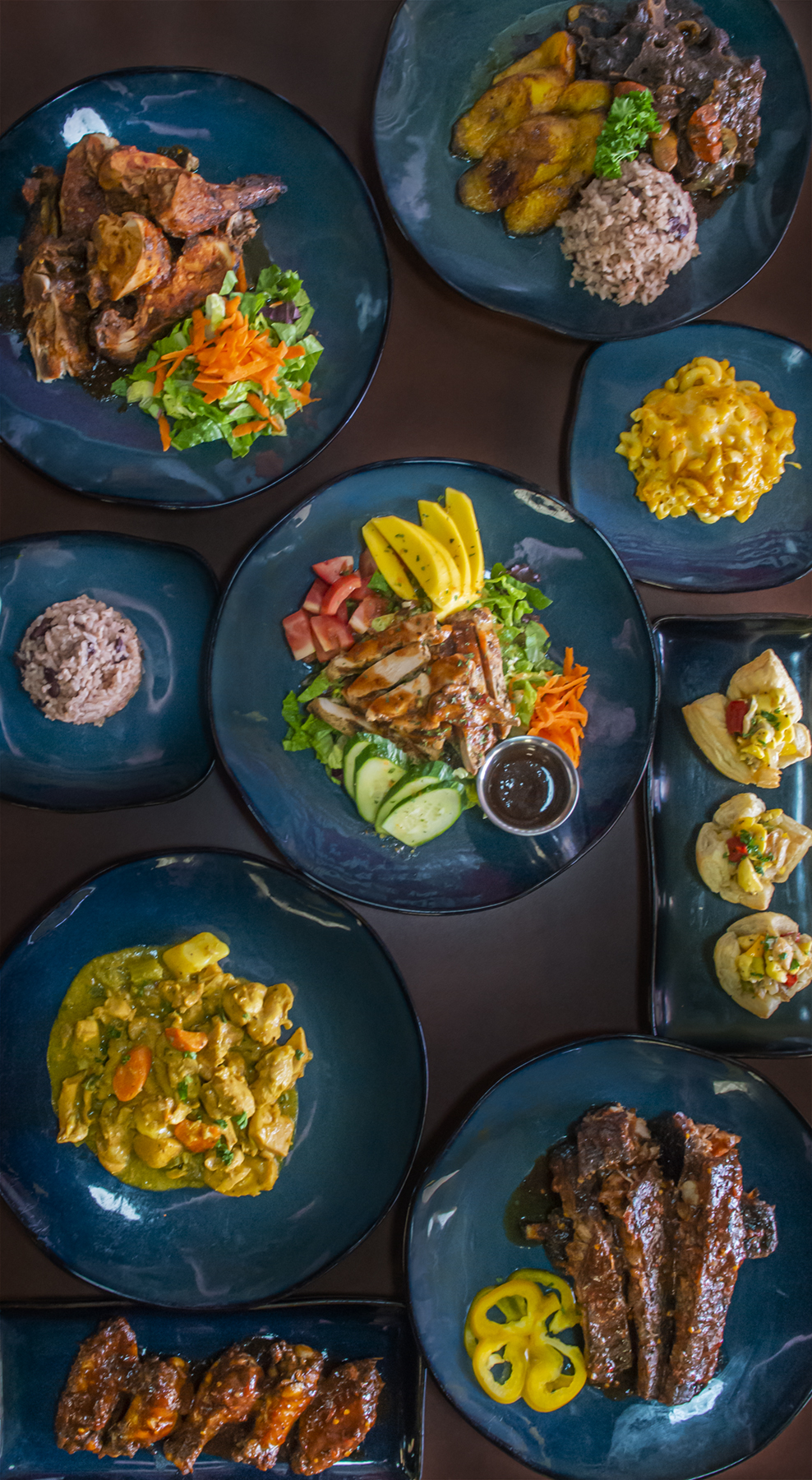
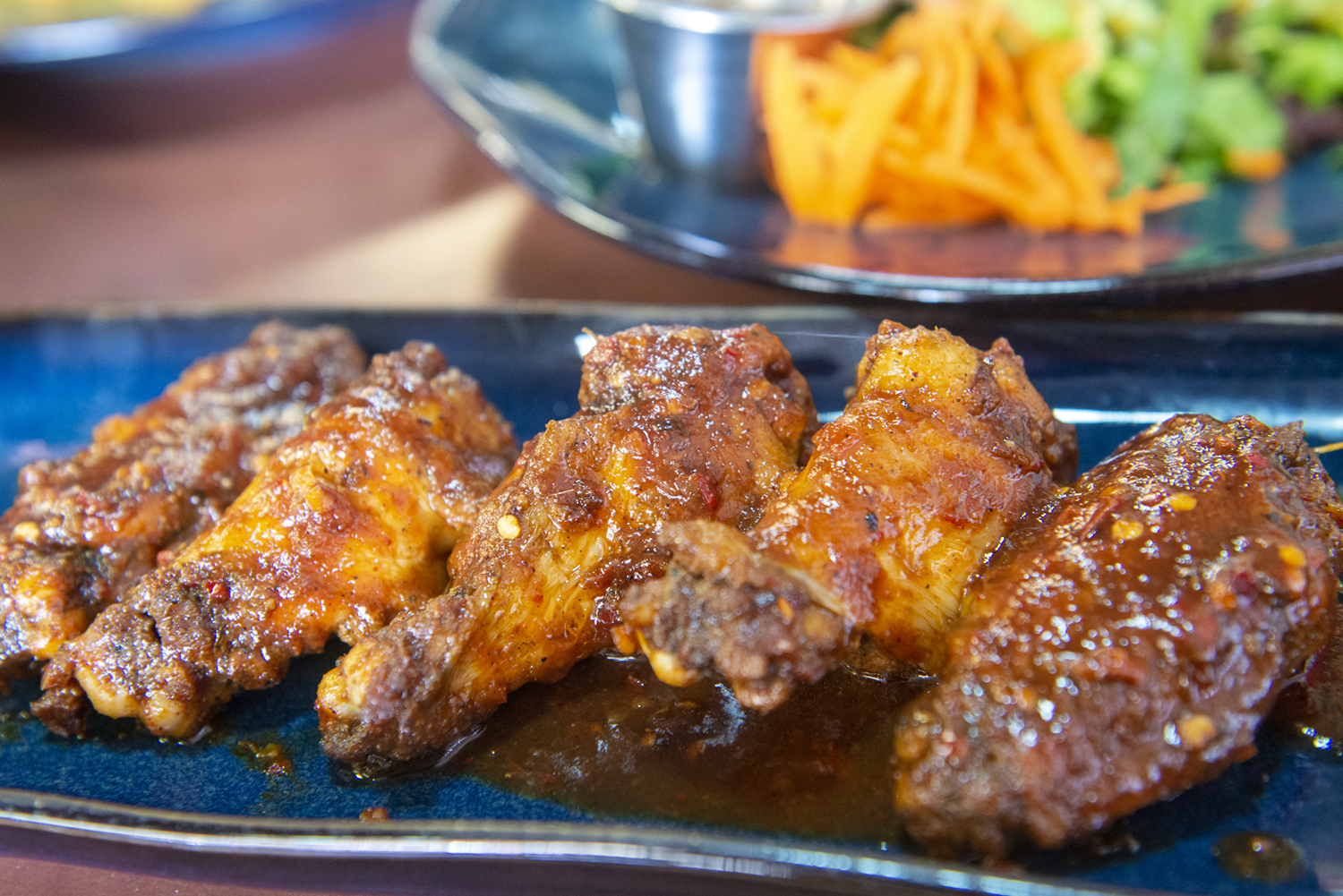
There are cities where a cuisine arrives as a trend, polished for broad appeal and softened around the edges. Then there are cities where it settles in through family kitchens, neighborhood loyalty, and the stubborn refusal to compromise on flavor. Jamaican food in Denver feels much closer to the second story.
That matters, because Jamaican cooking is not a cuisine that rewards timid handling. It asks for time, heat, smoke, spice, sweetness, acidity, patience, and nerve. It relies on balance more than spectacle. A plate can look simple, even humble, and still carry a depth of flavor that takes years to understand. When that kind of food finds a home in Denver, something interesting happens. The city’s dining culture, already shaped by migration, altitude, and a growing appetite for regional cooking done right, gives Jamaican food room to stand on its own terms.
What makes it special is not one dish, one restaurant, or one neighborhood. It is the way the food holds onto its identity while adapting just enough to place. It is the smell of allspice and Scotch bonnet coming out of a kitchen in Colorado. It is the comfort of rice and peas next to deeply spiced chicken. It is a style of hospitality that tends to feel generous rather than performative. And it is the fact that once people find a spot they trust, they tend to return with real loyalty.
Flavor that refuses to be flat
If you have spent any real time with Jamaican cooking, you know the first thing that stands out is range. People often reduce it to “spicy,” but that misses the point. Good Jamaican food is layered. Jerk, for example, is not only heat. It is pimento, thyme, scallion, ginger, garlic, sometimes brown sugar, sometimes a little soy, sometimes a little vinegar or citrus, all working together. The best versions land in stages. Smoke hits first, then warmth, then sweetness, then the lingering bite of chile.
That complexity plays especially well in Denver, where diners tend to appreciate bold flavor but also notice quality. A proper jerk marinade cannot hide a careless cook. If the chicken is dry, if the smoke is artificial, if the seasoning sits only on the surface, people know. When it is done well, though, it is unforgettable. The skin picks up char and spice, the meat stays juicy, and every bite tastes built rather than assembled.
The same is true of curry goat, oxtail, escovitch fish, and brown stew chicken. None of those dishes work if they are rushed. They need slow cooking, attention to texture, and confidence with seasoning. Denver has enough curious eaters, enough transplants, and enough regulars who know what these dishes should taste like that mediocre versions struggle to last. That has pushed the better kitchens to stay honest.
Denver’s food culture rewards distinctive cuisines
Denver is not a city that eats only one way. Its restaurant scene has changed dramatically over the years, and one of the most important shifts has been the move away from safe, middle-of-the-road menus. Diners increasingly want food with roots. They want recipes that come from somewhere and mean something.
That is fertile ground for Jamaican cooking. The cuisine does not need to invent a personality. It already has one. It is built from history, movement, agriculture, and resilience. African influences, Indigenous ingredients, European colonial history, and trade routes all show up in the food. Even a seemingly straightforward dish often carries centuries of adaptation behind it.
In Denver, that depth helps Jamaican restaurants stand out. The city has no shortage of places serving sandwiches, burgers, and familiar comfort food. A strong Jamaican kitchen offers another register entirely. It gives people meals that feel soulful without being heavy in the predictable way, festive without trying too https://josuegect434.clarionvale.com/posts/best-jamaican-food-in-denver-for-groups-and-gatherings hard, and deeply satisfying whether ordered for lunch, dinner, or a family gathering.
There is also a practical side to this. Denver diners are often open to trying cuisines they did not grow up with, especially when those cuisines offer value and generosity. Jamaican food usually does. Portions tend to be substantial. Side dishes are not an afterthought. A plate often feels complete, not strategically incomplete so that you need to add extras. That kind of abundance still matters.
The climate is different, but the appetite makes sense
At first glance, Denver and Jamaica do not seem like obvious culinary partners. One is a high-altitude city with dry air and dramatic seasons. The other is a Caribbean island where climate shapes ingredients and cooking rhythms very differently. Yet that contrast can sharpen appreciation.
In cooler weather, Jamaican food brings heat in the broadest sense of the word. Not just chile heat, but warmth from spice, slow braises, peppery gravies, and freshly fried plantains. Curry goat on a cold evening makes emotional sense. Oxtail over rice and peas has the sort of depth people crave when the temperature drops. Even jerk chicken, often associated with grilling and summer, works year-round because the seasoning is so vivid.
Then there is Denver’s altitude, which affects cooking in ways that professionals notice right away. Boiling points shift. Braises can behave differently. Fried foods can demand adjustment. Beans and rice require attention. None of this makes Jamaican cooking impossible, but it does mean a kitchen has to know its craft. Recipes are never fully automatic at elevation. Cooks have to watch, taste, and adapt. When a Denver restaurant produces tender oxtail, distinct rice, crisp festivals, or well-balanced patties consistently, that is not accidental. It reflects technical competence as much as tradition.
Jerk is only the beginning
A lot of people meet Jamaican food through jerk chicken, and that is a fine place to start. It is famous for good reason. But one thing that makes Jamaican food in Denver so special is that the best places do not stop there.
You can often tell how serious a kitchen is by what happens beyond the signature item. Rice and peas should have flavor in their own right, not function as filler. Cabbage should be tender but not limp. Plantains should taste ripe and caramelized, not greasy and anonymous. A beef patty should have a flaky crust with real structure, not something that crumbles into dust or turns soggy after ten minutes. Oxtail gravy should be glossy and rich, not heavy in a one-note way. These details separate a place that merely serves Jamaican food from a place that understands it.
The cuisine also offers diners a lesson in contrast. A plate might combine charred meat, soft rice, sweet plantains, and a bright, acidic side. A fish dish may bring crisp skin, vinegar tang, and the sharp bite of onions and peppers. Even breakfast traditions, where available, can reveal another side of the cuisine entirely, more subtle perhaps, but no less rooted.
For newcomers, a few dishes tend to show the cuisine at its best:
- Jerk chicken, for the benchmark of smoke, spice, and balance.
- Oxtail, for tenderness and slow-cooked depth.
- Curry goat, for earthy warmth and complex seasoning.
- Beef patties, for portability and everyday pleasure.
- Rice and peas with plantains, because sides tell you whether the kitchen is paying attention.
That list is short on purpose. Jamaican cooking is broader than five dishes, but those are reliable windows into how a restaurant thinks.
Family ownership changes the experience
One of the strongest qualities in many Jamaican restaurants is the sense that the food comes with memory attached. Family-run spots often carry recipes that were not developed for market testing or trend forecasting. They were made because somebody learned from a parent, grandparent, aunt, or neighbor and kept making them long enough to know when they are right without checking a timer every five minutes.
You feel that in the room. Service at these places may not always follow the polished script of a corporate restaurant group, but that can be part of the appeal. Hospitality tends to be direct, warm, and personal. Someone may steer you toward a house specialty. Someone may ask if you can handle spice and mean it sincerely. Someone may remember your usual order after two visits. These interactions add texture to the meal.
In Denver, where the dining scene includes everything from highly designed concepts to quick casual chains, that kind of grounded authenticity stands out. People are hungry for restaurants with personality. Not chaos, not inconsistency, but personality. Jamaican food often arrives with exactly that. The experience feels connected to a community rather than manufactured for a demographic.
The ingredients tell a larger story
Jamaican cooking depends on ingredients with strong character. Thyme, scallion, ginger, garlic, pimento, coconut, callaloo, Scotch bonnet, cassava, plantains, and saltfish each bring something distinct. In Denver, sourcing can be part of the challenge and part of what makes the food impressive when it is done well.
Some ingredients are easier to find than they once were, thanks to broader distribution and the growth of international food supply networks. Others still require effort, substitutions, or careful planning. A good restaurant has to decide where compromise is acceptable and where it is not. That judgment matters more than many diners realize.
Take peppers. The heat level of a true Scotch bonnet is only part of its value. It has a fruity aroma that gives Jamaican food part of its identity. Replacing it with a generic hot pepper may keep the heat, but lose the perfume. Similar issues show up with herbs, curry blends, or particular pantry staples. The strongest kitchens know which details are negotiable and which are essential.
Denver’s market conditions can also encourage creativity. Seasonality, supplier reliability, and cost pressure affect every independent restaurant. A smart chef or owner finds ways to stay faithful without becoming rigid. That flexibility is not a betrayal of tradition. In many cases, it is entirely in keeping with the history of Caribbean cooking, which has always involved adaptation under real-world constraints.
Why the side dishes matter so much
A revealing thing about Jamaican food is how much of its identity lives in what some menus call sides. In truth, these are structural parts of the meal. Rice and peas, steamed cabbage, fried plantains, festivals, and mac and cheese in some modern combinations are not decorative. They manage intensity. They add sweetness, softness, starch, crunch, or relief.
This becomes especially important for diners who are new to the cuisine. A strongly seasoned protein can be thrilling, but it needs the rest of the plate to create balance. A good serving of rice and peas is fragrant, lightly creamy from coconut in some versions, and sturdy enough to absorb sauce without collapsing. Plantains should soften the sharper edges of spice. Cabbage should bring freshness and contrast.
I have seen people underestimate a Jamaican meal by focusing only on the meat. Then they take a bite of everything together and understand the architecture. That is usually the moment the plate makes sense. Denver diners who return again and again often do so because they have figured out that the best meals are composed, not isolated.
Jamaican food travels well, and that matters in Denver
This may sound like a small point, but it has practical significance. Denver is a city where takeout and delivery are part of everyday life. Some cuisines fade quickly in transit. Fries steam themselves into sadness. Delicate greens wilt. Crisp textures vanish.
Jamaican food tends to hold up better than many options. Braised dishes often improve as they rest. Rice and peas travel reliably. Patties are portable by design. Jerk chicken can still deliver flavor even after a drive across town, provided it was cooked properly to begin with. That resilience has helped Jamaican restaurants build loyal followings beyond immediate neighborhoods.
For families, work lunches, and informal gatherings, this matters. You can order a spread that feels generous and cohesive without worrying that half of it will decline before it hits the table. In a metro area where people regularly move between downtown, residential neighborhoods, and suburban stretches, that durability is an advantage.
People come for the spice, then stay for the comfort
There is a pattern I have noticed with Jamaican food in Denver. New diners often approach it as a thrill. They want the jerk, the heat, the unfamiliar flavors. Then, after a few visits, the relationship changes. The food becomes comfort.
That shift says a lot. It means the cuisine offers more than novelty. It can anchor routines. People start craving brown stew chicken after a long week. They pick up patties because they know exactly how satisfying they are. They order oxtail for birthdays or family Sundays. The food moves from adventurous to dependable without losing its edge.
Few cuisines manage that transition so gracefully. Some dishes impress once but do not invite return. Jamaican cooking, at its best, keeps revealing new pleasures. One day it is the fire of the marinade. Another day it is the softness of the beans, the sweetness of the plantains, or the way the gravy settles into the rice. The experience deepens with repetition.
What to look for when choosing a spot
If you are searching for standout jamaican food denver diners actually return for, a few signals can help. Menus matter, but so do aroma, turnover, consistency, and the confidence of the kitchen. The right place usually does not need to explain itself too much. You can smell the seriousness when you walk in.
Here are a few practical indicators worth noticing:
- The jerk has visible char and smells of spice and smoke, not just bottled heat.
- The rice and peas taste seasoned on their own.
- Braised dishes look glossy and settled, not rushed or watery.
- Side dishes feel intentional, not generic.
- Regulars seem to know exactly what they came for.
None of these signs guarantees perfection, but together they tell you a lot.
A cuisine that adds something essential to the city
Every city benefits from restaurants that widen its palate without diluting themselves to fit in. Jamaican food does that in Denver. It introduces people to a cooking tradition shaped by complexity, hardship, celebration, and ingenuity. It gives the city meals with backbone. It creates spaces where food, music, memory, and community often sit close together.
There is also a bigger cultural value here. When Jamaican restaurants thrive, they do more than feed people. They make room for Caribbean identity within the local food landscape. They let younger generations see family traditions represented publicly. They invite neighbors into those traditions through flavor rather than abstraction. That is one of the best things restaurants can do.
Denver has become more adventurous over time, but adventurous dining is not just about chasing the new. It is about recognizing excellence wherever it exists, especially when that excellence comes from cuisines that have long deserved broader attention. Jamaican food earns that attention plate by plate.
What makes it special, finally, is the combination of intensity and warmth. The food is bold, but never only bold. It is comforting, but never dull. It travels across climates and still tastes like itself. It adapts to Denver without surrendering its soul. And when it is cooked with care, it leaves the kind of impression that turns a one-time meal into a standing craving.
Reggae Pot Jamaican Grill
Address: 2243 S Monaco St Pkwy #104, Denver, CO 80222
Phone number: +17204102956
FAQ About Jamaican Food Denver
What is typical Jamaican food?
Typical Jamaican food features bold, vibrant flavors created by blending African, Taino, European, and Asian influences.
What is a famous Jamaican dish?
Ackee and saltfish is Jamaica's national dish, made by sautéing the soft local ackee fruit with salted cod, onions, tomatoes, and spicy Scotch bonnet peppers.
What food is most popular in Jamaica?
The most popular and famous food in Jamaica is Jerk Chicken, celebrated worldwide for its smoky, spicy flavor.