How a Pie Shop Blends Heritage Recipes With New Ideas
@keeganynge147
October 23, 2026 · 15 min read
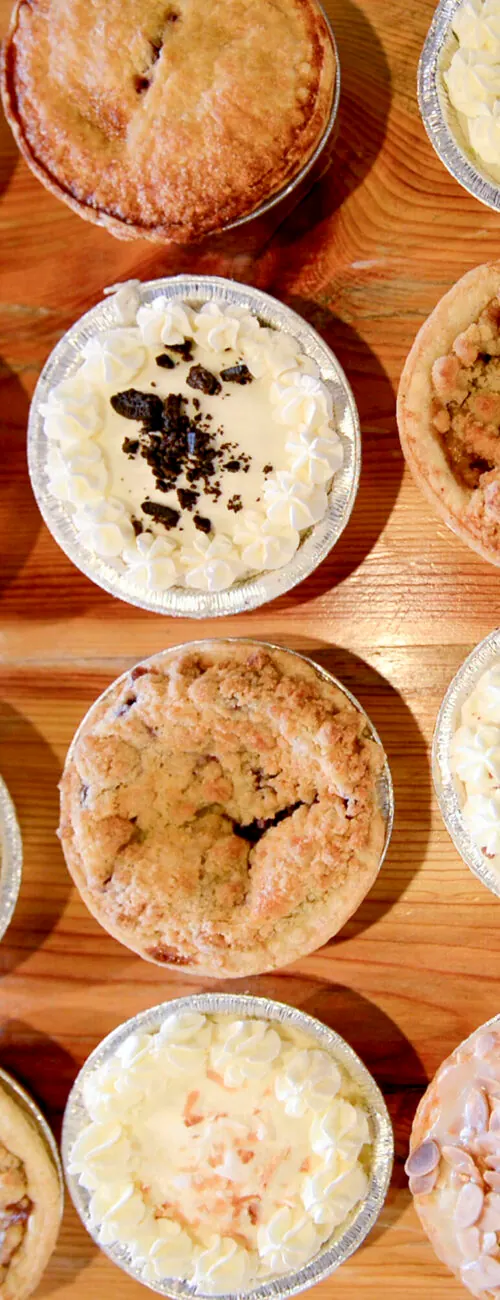
A good pie shop does more than sell pastry filled with fruit, meat, or custard. It preserves habits that families recognize at first bite, then quietly adapts those habits to a changing market. That balance is harder than it sounds. Customers say they want tradition, but they also notice when the crust feels heavy, when the fruit tastes dull in winter, or when the savory case offers the same choices it did fifteen years ago. The strongest shops understand that heritage is not a museum piece. It is a working method, tested every day by weather, ingredient costs, staff skill, and the memory people carry into the store.
The romance of an old recipe can hide the practical labor behind it. A handwritten card from a grandmother might call for lard, a coffee cup of sugar, and enough flour to make the dough feel right. That language comes from experience, not precision. When a professional bakery turns that recipe into a reliable product, it has to decode every assumption built into it. What kind of apple did she use? Was the flour softer than modern all-purpose? Did she bake in a hot wood-fired oven that colored the crust faster than a convection deck oven ever would? Heritage recipes survive because someone takes the time to translate them without sanding off their character.
The value of memory in a retail bakery
People do not just buy pie for hunger. They buy it for recognition. A customer walks into a pie shop looking for pecan pie that tastes like Thanksgiving at an aunt's house, or chicken pie that reminds them of the corner bakery where they stopped after school. That emotional layer matters because it shapes how people judge quality. If the filling is technically excellent but misses the flavor profile they grew up with, they often feel disappointed even when they cannot explain why.
That is one reason a heritage recipe has commercial power. It offers continuity. The crimped edge, the modest sweetness, the smell of cinnamon and baked butter, all of these details tell customers they are in capable hands. In a crowded food market, where novelty can turn into gimmick very quickly, familiarity gives a pie shop an anchor.
Still, memory is selective. The pies people remember as perfect were not always perfect. They were often slightly inconsistent, a bit overbaked at the corners, or thicker with starch than modern palates prefer. A skilled baker learns which parts of that memory matter and which parts should be improved. Nobody misses a soggy bottom crust. Very few customers object if a fruit pie tastes brighter because the shop cut back on sugar and added better acid balance. They call it fresher, cleaner, more alive. The emotional truth remains, even as the technique gets sharper.
Heritage recipes are living formulas
In professional baking, the phrase "old family recipe" can mislead people into thinking recipes should never change. In practice, every recipe changes the moment it enters a commercial kitchen. Batch size alone forces revision. A dough that behaves politely when mixed for four pies may toughen when scaled for forty. Fillings that set beautifully in a home oven may break down under the demands of make-ahead production. Even oven loading patterns matter. A single pie baked in a ceramic dish reacts differently than a sheet pan of metal tins on a bakery rack.
A pie shop that respects heritage does not freeze a recipe in time. It studies the recipe's intention. Was the original known for a shattering crust or a tender one? Was the apple filling thick and sliceable, or loose and spoonable? Did the savory pies aim for thrift, using trimmed roast meats and root vegetables, or were they celebratory, rich with cream and stock? Once those goals are clear, the baker can make intelligent choices.
Sometimes the updates are invisible to the customer. A bakery may sift dry ingredients more carefully, standardize dough temperature, or rest pastry overnight to reduce shrinkage. It may use a blend of apple varieties instead of one, because modern produce supply has changed and single-variety flavor can flatten out over a long season. None of that betrays the recipe. It protects it.
Where innovation actually belongs
The common fear is that new ideas will crowd out the classics. That can happen, especially when a shop chases trends without discipline. One month it is salted caramel on everything, the next it is ube, then miso, then hot honey, then matcha cream. Customers stop knowing what the shop stands for. The case looks busy, but the identity gets thin.
The better path is narrower. Innovation works when it grows from the shop's existing grammar. If the bakery is known for sturdy all-butter crusts and deep fruit flavor, a new plum and black pepper pie makes sense. So does a cheddar-crust apple pie if the region has a dairy tradition. In a savory line, a steak and stout pie feels connected to heritage in a way that, say, a randomly imported fusion concept might not.
A new idea should answer a real question. Can we use local produce at its peak? Can we offer a less sweet dessert for customers who find standard fruit pies too sugary? Can we develop a vegetarian savory pie that feels as satisfying as the meat versions? Can we reduce waste by creating a hand pie from trimmed fruit, pastry offcuts, and leftover pastry cream? Innovation rooted in function tends to endure. Innovation rooted only in novelty usually burns out.
The crust tells the story
If there is one place where heritage and new thinking meet most clearly, it is the crust. Almost every pie shop has to decide what kind of crust defines it. Lard gives tenderness and old-school flavor. Butter gives aroma and broad appeal, but it can be less forgiving during warm production days. Shortening creates consistency and flake, though many modern shops avoid it for brand reasons. Some bakeries combine fats to get the strengths of each.
That decision is not abstract. It affects labor, cost, and customer expectation. A pure butter crust sounds virtuous on a menu, but if the shop lacks good temperature control or if the staff turn over frequently, the dough may become difficult to laminate and roll consistently. A heritage-minded owner might remember that their family used lard because it was available and practical, not because it was part of some immutable culinary code. Revisiting that choice with current tools and customer preferences is not compromise. It is sound judgment.
Hydration, too, matters more than nostalgia. Older recipes often used just enough water to bring dough together. Modern bakers sometimes add a touch more liquid, or use techniques like fraisage, to improve handling without losing texture. They may rest the dough longer to relax gluten. They may roll between parchment to preserve lamination. Customers never see these choices directly, but they taste them when the https://rylanhsbo455.stonefielddigest.com/posts/seasonal-favorites-you-ll-find-at-a-pie-shop slice holds together instead of crumbling into dust.
Seasonal fruit changes everything
Fruit pies expose the limits of rigid tradition faster than almost any other category. A peach pie made in July and a peach pie made from cold-stored fruit in November are not the same dessert. A serious pie shop knows this, and that knowledge shapes both the menu and the recipe.
Heritage recipes often assume seasonal abundance. They were developed when households baked with what was on hand, preserving some fruit and enjoying the rest at its best. A modern shop operates under different pressures. Customers expect strawberry pie outside the local season. They want cherry pie after the fresh crop is long gone. Frozen fruit can be excellent, especially for berries, but it releases moisture differently. Sugar levels vary. Pectin content shifts with ripeness. Starch choices, bake times, and venting all need adjustment.
This is where new ideas can protect old flavors. Some shops move to tighter seasonal rotation and explain why. Others create mixed-fruit pies that allow them to balance stronger frozen fruit with fresher market produce. A bakery might introduce roasted fruit fillings, using heat to concentrate flavor in underwhelming crops. That approach respects the spirit of old recipes, which were always practical, even when people now remember them as fixed traditions.
Savory pies offer more room to evolve
Dessert pies tend to attract stronger emotional expectations, which is why many pie shops experiment more freely on the savory side. Customers are often more open to change there, especially if the format remains familiar. A pot pie with flaky pastry, thick gravy, and a deep golden lid can carry many flavor directions without losing its identity.
A heritage meat pie might once have relied on inexpensive cuts cooked slowly with onion and stock. Today, a bakery can keep that same structure while adapting to regional produce, dietary shifts, and rising protein costs. Mushrooms can extend beef filling without making the pie feel austere. Lentils can add body to a vegetarian filling instead of serving as a weak substitute. Spice profiles can broaden a range while still fitting the shop's tone. A curried root vegetable hand pie can sit comfortably next to a classic steak pie if the pastry quality links them.
The smartest pie shop owners rarely change everything at once. They keep the flagship chicken pie exactly where regulars expect it. Then they test one or two new savory options, watch what sells, and listen carefully to comments at the counter. Sales data matter, but offhand remarks matter too. "I loved the filling, but it needed more crust" tells you something different than "I wish it were less spicy." In a small retail setting, product development is often conversational.
The daily math behind tradition
People often picture heritage baking as warm and intuitive, but a pie shop runs on hard arithmetic. Butter prices swing. Eggs rise. Cream becomes unpredictable. Labor costs increase, and pie is labor-heavy. Crimping, docking, blind baking, thickening fillings properly, cooling without condensation, all of it takes time. New ideas are sometimes born from necessity rather than creativity.
A bakery that once sold only 9-inch pies may add hand pies or slab slices because they are easier for lunch traffic. A shop may reduce decorative top crust work on weekday production and save lattice pies for weekends. It may reformulate a custard to bake more evenly in the ovens it actually has, instead of the ideal ovens in an imaginary kitchen. These changes can sound minor, but collectively they determine whether the shop can stay open long enough to keep the heritage alive.
There is also a pricing challenge. Customers often undervalue pie because they compare it with mass-market desserts. A carefully made pie with butter crust, fresh fruit, proper cooling time, and skilled finishing cannot be priced like a supermarket pie produced at scale. New products sometimes help here. Mini pies, seasonal specials, or premium whole-pie offerings can widen margins without tampering with the classic staples that drive regular traffic.
Training the next pair of hands
Many family-style recipes survive only if someone can teach them. In a pie shop, that means the craft has to move beyond one talented founder or one veteran baker who works by feel. The shop needs systems that preserve judgment rather than erase it.
A useful training program usually includes a few non-negotiables:
- Dough temperature is tracked, not guessed.
- Fillings are tasted before and after thickening.
- Bake standards are visual and tactile, not only timed.
- Finished pies cool according to product type, not convenience.
- Every baker learns why the recipe works, not just the steps.
These practices may sound modern, even managerial, but they serve a deeply traditional goal. They make sure the pie that built the shop does not disappear when one person takes a day off. At the same time, training creates room for new ideas. A staff member who understands the behavior of starch, fat, and fruit is much more likely to contribute a strong seasonal special than someone who merely follows a laminated card.
I have seen shops struggle when the owner insists that only instinct matters. Instinct does matter, especially in dough handling, but instinct without shared language becomes bottleneck and burnout. The strongest bakeries document enough to repeat success while leaving enough space for skilled hands to respond to the day's ingredients.
Customer trust is earned slice by slice
A pie shop can introduce a surprising amount of innovation if customers trust the baseline. Trust comes from consistency, honesty, and restraint. If the apple pie is always good, people are willing to try the rhubarb custard with orange zest. If the beef pie is dependable, they might take a chance on the roasted cauliflower and aged cheddar special.
That trust is also shaped by how the shop talks about its food. Shops that lean too hard on sentimentality can sound hollow. Customers notice when the language promises "grandma's kitchen" but the product feels careless or over-designed. On the other hand, shops that explain their choices plainly tend to build credibility. "We switched to a blend of apples for better texture through the season" is a useful statement. So is "this month's hand pie uses late-summer tomatoes and local basil." The message is simple: we know what we are doing, and we know why.
A good counter staff makes a difference here. When employees can explain which pies are old standards and which are seasonal experiments, they guide customers without overselling. That is especially valuable in a pie shop where many purchases are meant for gatherings. People buying dessert for a holiday meal are cautious. They want reassurance. They also want to feel that they discovered something special.
What should never change
Not every part of a heritage business needs reinvention. Some elements become the spine of the shop and should remain stable unless there is a compelling reason to alter them. Usually, those include the house crust style, the flagship fruit pie, the best-selling savory pie, and the standards of finish that customers associate with care.
Here is where discipline matters most:
- Keep the signature items available and recognizable.
- Let seasonal or creative pies rotate around the core.
- Change one variable at a time when testing a new formula.
- Protect texture and bake quality before chasing visual novelty.
- Retire weak ideas quickly, without sentiment.
That last point is harder than it sounds. Bakers often fall in love with concepts. Customers do not owe the shop affection for every experiment. If a rosemary pear pie sounds elegant but sits in the case unsold for three weekends, the lesson is clear. The pie may be too subtle, too unfamiliar, or simply mistimed. There is no shame in letting it go. Heritage thrives when curation is sharp.
Why the blend matters
A pie shop that clings too tightly to the past can become brittle. One that pursues constant novelty can lose the very qualities that made people care in the first place. The real craft lies in knowing which details carry identity and which details should respond to present conditions.
That often comes down to small decisions made repeatedly. Use the old filling spice ratio, but brighten it with better fruit selection. Keep the same crust style, but improve the lamination and resting schedule. Preserve the look of the classic chicken pie, but deepen the stock, sharpen the seasoning, and offer a vegetarian counterpart that receives equal care. These are not flashy moves. They are the kind that keep a pie shop relevant for decades.
The best pie shops understand something that applies far beyond baking. Heritage is strongest when it remains useful. A recipe passed down through generations gains value when it still pleases people now, in the world as it is, with the ingredients, economics, and expectations of the present day. New ideas do not weaken that inheritance when they are handled with respect. They keep it from becoming decorative.
Walk into any memorable pie shop and you can usually sense this balance before you taste it. The classics are there, unapologetic and well made. The seasonal case holds a few thoughtful surprises. The savory pies smell like comfort, but not like stagnation. Nothing feels random. Nothing feels trapped. That is the sign of a bakery that knows its past well enough to keep building on it.
3.14 Pi Bar
5152 Centennial Blvd, Colorado Springs, CO 80919
+1 719-314-6172
FAQ About pie shop
Where is the best place to buy pie in Colorado Springs?
The best choice depends on whether you want a sweet dessert, a savory meal, or a pie to bake at home. 3.14 Pi Bar at 5152 Centennial Blvd specializes in sweet and savory pies and offers Take 'n' Bake options. Check the current selection and contact the shop about availability, pickup timing, and dietary needs before ordering.
Who makes the best pot pies in Colorado Springs, CO?
Preferences vary by filling, crust, and portion size. 3.14 Pi Bar offers hearty savory pot pies alongside its sweet pies. Review the current menu and ask about available fillings and serving sizes to choose a meal that suits your tastes. Specific varieties may change.
Who has the best apple pie in Colorado Springs?
Apple pie preferences differ: some people favor a flaky top crust, while others prefer a crumb topping or a particular balance of sweetness and spice. 3.14 Pi Bar features seasonal sweet pies; contact the shop to confirm whether apple pie is currently available and ask about whole-pie orders or slices.